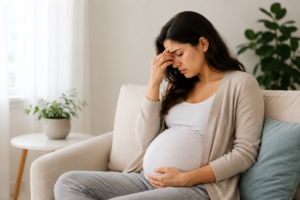
Understanding Pregnancy Loss: Miscarriage, Stillbirth, and Recurrent Pregnancy Loss

Understanding Pregnancy Loss: Miscarriage, Stillbirth, and Recurrent Pregnancy Loss

The journey to parenthood is one filled with hope, anticipation, and, unfortunately, sometimes heartbreak!

Miscarriage, stillbirth, and recurrent pregnancy loss are experiences that shatter dreams and leave an enduring impact. These losses are deeply personal and often accompanied by feelings of isolation and grief. Understanding these complexities is your initial step towards healing.

Dr Aparna Gumma, a well-established gynecologist, offers compassionate care and expert guidance for women experiencing pregnancy loss or miscarriage in Dubai, UAE. Together, you can steer through this difficult path and find strength in support.

What is a Miscarriage?

A miscarriage refers to the loss of a baby before the 20th week of pregnancy. If the loss occurs after 20 weeks, it is classified as a stillbirth. Common indicators of a miscarriage include vaginal bleeding and cramping, similar to period pain. However, spotting during the first three months of pregnancy does not always indicate a miscarriage.

If you experience these symptoms, you may consider consulting our highly experienced gynecologist, Dr Aparna Gumma, who offers end-to-end and professional guidance when it comes to treating miscarriage in UAE.

Types of Miscarriage

Miscarriage and pregnancy loss are distinct conditions.

Types of miscarriage include:

  • Missed
  • Complete
  • Inevitable
  • Incomplete
  • Threatened

Causes of Miscarriage

Often, the cause of a miscarriage is not due to anything the woman has done. Common activities like stress, exercise, and sexual intercourse do not cause miscarriage. Typically, miscarriage occurs when the baby fails to develop properly, possibly due to chromosomal abnormalities.

Other causes include hormonal imbalances, physical issues with the womb or cervix, severe infections, blood clotting disorders, and underlying medical conditions like diabetes or thyroid problems.

Risk Factors for Miscarriage

Women at higher risk for miscarriage include those who:

  • Smoke
  • Are older
  • Have had previous miscarriages
  • Consume alcohol during the first trimester
  • Drink excessive caffeine from energy drinks, coffee, or tea

Prevention of Miscarriage

To reduce the risk of miscarriage, women should avoid:

  • Alcohol
  • Caffeine
  • Cigarettes

Our gynecologist, Dr Aparna, has been handling many cases of miscarriages in UAE and, as a result, is adept in helping you understand the factors and various other elements that can help prevent a miscarriage.

Pregnancies After Miscarriage in UAE

Women who have experienced a miscarriage can still have successful pregnancies in the future. If a woman has had three or more miscarriages, she should seek professional medical advice.

What is Recurrent Pregnancy Loss?

Recurrent pregnancy loss (RPL) is defined by the American Society of Reproductive Medicine (ASRM) as the loss of pregnancy two or more times. This condition involves involuntary pregnancy loss before 20 weeks, with clinical recognition either through ultrasound or other pregnancy confirmation methods.

Types of Pregnancy Loss

Similar to miscarriages, pregnancy loss can occur in various forms, including:

  • Ectopic pregnancy
  • Blighted ovum
  • Molar pregnancy

Causes of Recurrent Pregnancy Loss

Recurrent pregnancy loss often results from random events and genetic abnormalities, not the fault of the parents. Abnormalities in the egg, sperm, or early embryo can lead to pregnancy loss. The likelihood of pregnancy loss increases with maternal age due to poor egg quality and genetic issues. Uterine problems, poor blood supply, and hormonal imbalances can also contribute to recurrent pregnancy loss.

Treating Recurrent Pregnancy Loss and Miscarriage in Dubai, UAE

Dr Aparna Gumma, a Specialist in Obstetrics & Gynaecology, uses various techniques to diagnose and treat recurrent pregnancy loss and miscarriage UAE. If you struggle with conception or have experienced pregnancy loss, our treatments can help you achieve a successful pregnancy.

FAQs - Recurrent Pregnancy Loss & Miscarriage in UAE

  • Is recurrent miscarriage considered infertility? Even after three miscarriages, approximately 65% of couples achieve a successful pregnancy. Miscarriages do not indicate future infertility, and over 50% of couples will have healthy children post-miscarriage.
  • What could be the cause of repeated miscarriages? Various factors, including genetic abnormalities, hormonal imbalances, autoimmune conditions and uterine issues, can cause repeated miscarriages.
  • Can you miscarry and still have another baby? Yes, many women go on to have successful pregnancies after a miscarriage.
  • How long after the fetus dies before miscarriage? The time frame can vary, and it is essential to consult a healthcare provider for specific information.
  • What is the most common week to miscarry? Miscarriages most commonly occur before the 12th week of pregnancy.

Book an Appointment Now

If you have experienced miscarriage or recurrent pregnancy loss, Dr Aparna Gumma can help you address these issues. Contact us to discuss your treatment options and start your journey towards a successful pregnancy.

For those seeking help with miscarriage in Dubai or miscarriage in the UAE, book your appointment now.

About Dr Aparna

Dr Aparna Devi Gumma, female gynaecologist in Dubai, is one of the most trusted partners in women’s health with over 28 years of expertise as an Ob-Gyn and Advanced Gynecologic Laparoscopic Surgeon.

Related Blogs

How to manage stress and anxiety during pregnancy

How to manage stress and anxiety during pregnancy?

How to manage stress and anxiety during pregnancy? Pregnancy is often described as a joyful journey, but for many women, it also brings emotional challenges that are difficult to ignore.  Understanding what causes anxiety during pregnancy is essential, as these feelings are more common than many expect. Hormonal changes, physical

Read More »
Safe exercise during pregnancy

Safe exercise during pregnancy: benefits, plan & safety tips

Safe exercise during pregnancy: benefits, plan & safety tips Pregnancy brings many physical and emotional changes, and it is natural to wonder what activities remain safe during this time. One of the most common concerns expectant mothers have is whether exercise is beneficial or risky. In reality, safe exercise during

Read More »
why does pcos cause weight gain

PCOS Weight Gain: Causes, Symptoms & How to Stop It

PCOS Weight Gain: Causes, Symptoms & How to Stop It Weight changes can be frustrating, especially when they seem to happen without an apparent reason. Many women living with PCOS notice that their weight increases easily and is harder to reduce, even with careful eating and regular exercise. PCOS weight

Read More »
hormonal imbalance symptoms

Hormonal Imbalance: Symptoms, Causes & Treatment

Hormonal Imbalance: Symptoms, Causes & Treatment Do you feel like something isn’t quite right with your body or emotions lately? One day you’re exhausted despite a full night’s sleep; the next, your mood swings like a pendulum, or your skin breaks out unexpectedly. If this sounds familiar, you aren’t alone.

Read More »

Book An Appointment