How to Deal With Postpartum Depression: Symptoms, Causes & Treatment
Postpartum depression is a widespread and serious mental health condition that may affect women following childbirth. While welcoming a baby is often associated with joy, it can also bring emotional, physical, and hormonal changes that feel overwhelming. Understanding what postpartum depression is, recognizing early postpartum depression symptoms, and understanding when it’s time to seek support are essential steps toward recovery and long-term well-being.
At Dr Aparna Gumma’s practice, postpartum mental health is approached with empathy, clinical expertise, and individualized care, ensuring women feel supported at every stage of recovery.
What is postpartum depression?
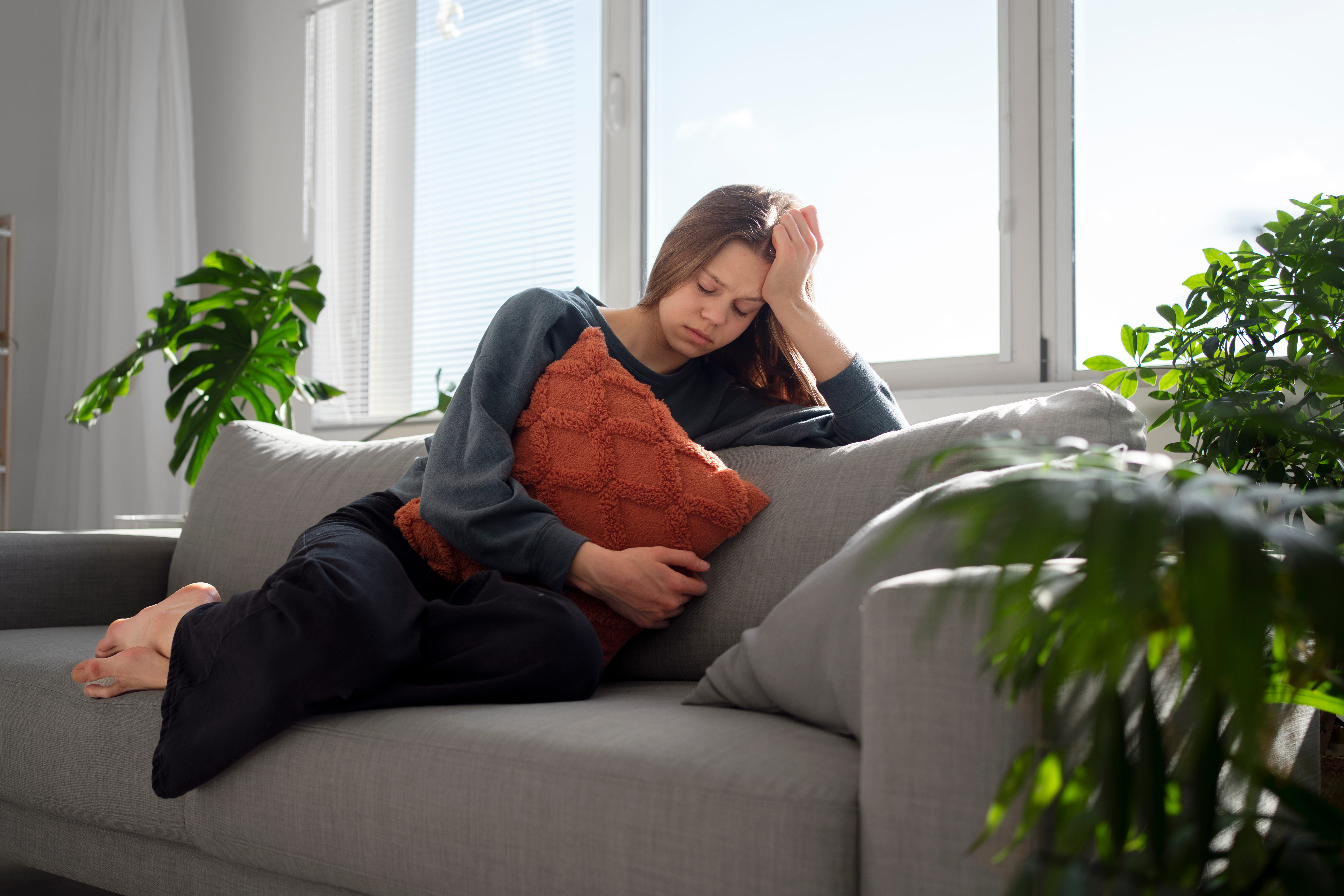
The postpartum depression definition refers to a form of depression that develops after childbirth and extends beyond temporary baby blues. Unlike short-lived mood changes, postpartum depression can interfere with emotional well-being, daily functioning, and bonding with the baby. Many women wonder what postpartum depression feels like. It may involve persistent sadness, anxiety, irritability, guilt, or emotional detachment.
Dr Aparna Gumma, a trusted medical professional in women’s health, focuses on identifying these symptoms early and guiding patients toward appropriate care.
Symptoms of postpartum depression
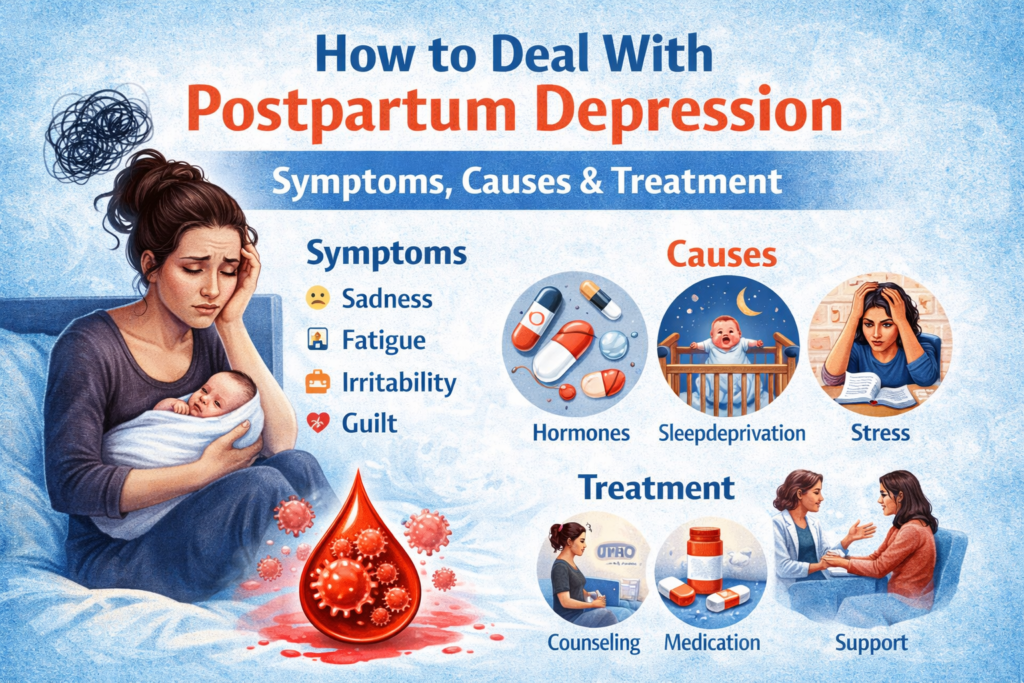
Identifying the signs of postpartum depression early can significantly improve outcomes. Common symptoms of postpartum depression include:
- Persistent sadness or frequent crying
- Feeling overwhelmed or helpless
- Loss of interest in activities once enjoyed
- Fatigue or low energy
- Difficulty bonding with the baby
- Feelings of guilt, worthlessness, or inadequacy
- Changes in sleep or appetite
- Anxiety, panic attacks, or racing thoughts
These postpartum depression symptoms vary from person to person and should never be ignored.
When does postpartum depression begin, and how long can it last?
Many women ask, when does postpartum depression start or when can postpartum depression start. Symptoms may appear within the first few weeks after delivery, though some women experience them months later.
Another concern is how long does postpartum depression last. Without treatment, symptoms can persist for months. With timely medical support, most women experience steady improvement.
Causes postpartum depression
Understanding what causes postpartum depression helps reduce stigma and self-blame. Several factors contribute to postpartum depression, including:
- Hormonal changes after childbirth
- Sleep deprivation and physical exhaustion
- Emotional stress and lifestyle changes
- History of depression or anxiety
- Limited emotional or social support
At Dr Aparna Gumma’s practice, these risk factors are carefully assessed to create a personalized care plan.
How often does postpartum depression occur?
Many women feel alone, yet how common is postpartum depression is often underestimated. Research shows it affects about 1 in 7 women. Routine postpartum depression screening plays a critical role in early identification and treatment.
Diagnosis of postpartum depression
Regular postpartum depression screening is an essential part of prenatal and postnatal care. A postpartum depression test typically involves validated questionnaires that assess mood and emotional well-being. Dr Aparna Gumma emphasizes early screening to ensure prompt intervention and better long-term outcomes.
Treatment options for postpartum depression
Effective postpartum depression treatment requires a personalized approach. Treatment for postpartum depression may include:
Medication for postpartum depression
For moderate to severe cases, postpartum depression medication may be recommended. Certain antidepressants for postpartum depression are considered safe and effective when carefully prescribed and monitored.
Therapy for postpartum depression
Postpartum depression therapy is a key component of recovery. Evidence-based postpartum depression therapies, including cognitive behavioral therapy, help women develop coping strategies. Postpartum depression counseling provides a supportive space for emotional healing.
Working with a qualified postpartum depression therapist or finding a postpartum depression therapist near me can greatly improve recovery outcomes.
Managing postpartum depression through self-care and support
In addition to clinical care, postpartum depression self-care is essential. Adequate rest, balanced nutrition, gentle exercise, and emotional support all contribute to healing.
Joining postpartum depression support groups allows women to share experiences and feel understood. Learning how to deal with postpartum depression often involves combining medical care with emotional and social support.
How to prevent postpartum depression
While postpartum depression cannot always be prevented, understanding how to prevent postpartum depression may reduce risk. Early screening, reliable support systems, realistic expectations, and addressing mental health concerns during pregnancy all contribute significantly.
Start your journey to postpartum wellness
Postpartum depression is not a personal shortcoming; it is a medical condition that deserves compassionate, professional care. With proper treatment for postpartum depression, including therapy, medication when needed, and ongoing support, recovery is achievable.
Dr Aparna Gumma is dedicated to supporting women through postpartum mental health challenges with evidence-based care, empathy, and individualized treatment plans. Seeking help early allows mothers to regain emotional balance and confidently embrace motherhood.
About Dr Aparna
Dr Aparna Devi Gumma, female gynaecologist in Dubai, is one of the most trusted partners in women’s health with over 28 years of expertise as an Ob-Gyn and Advanced Gynecologic Laparoscopic Surgeon.
Related Blogs

How to manage stress and anxiety during pregnancy?
How to manage stress and anxiety during pregnancy? Pregnancy is often described as a joyful journey, but for many women, it also brings emotional challenges that are difficult to ignore. Understanding what causes anxiety during pregnancy is essential, as these feelings are more common than many expect. Hormonal changes, physical

Safe exercise during pregnancy: benefits, plan & safety tips
Safe exercise during pregnancy: benefits, plan & safety tips Pregnancy brings many physical and emotional changes, and it is natural to wonder what activities remain safe during this time. One of the most common concerns expectant mothers have is whether exercise is beneficial or risky. In reality, safe exercise during

PCOS Weight Gain: Causes, Symptoms & How to Stop It
PCOS Weight Gain: Causes, Symptoms & How to Stop It Weight changes can be frustrating, especially when they seem to happen without an apparent reason. Many women living with PCOS notice that their weight increases easily and is harder to reduce, even with careful eating and regular exercise. PCOS weight

Hormonal Imbalance: Symptoms, Causes & Treatment
Hormonal Imbalance: Symptoms, Causes & Treatment Do you feel like something isn’t quite right with your body or emotions lately? One day you’re exhausted despite a full night’s sleep; the next, your mood swings like a pendulum, or your skin breaks out unexpectedly. If this sounds familiar, you aren’t alone.