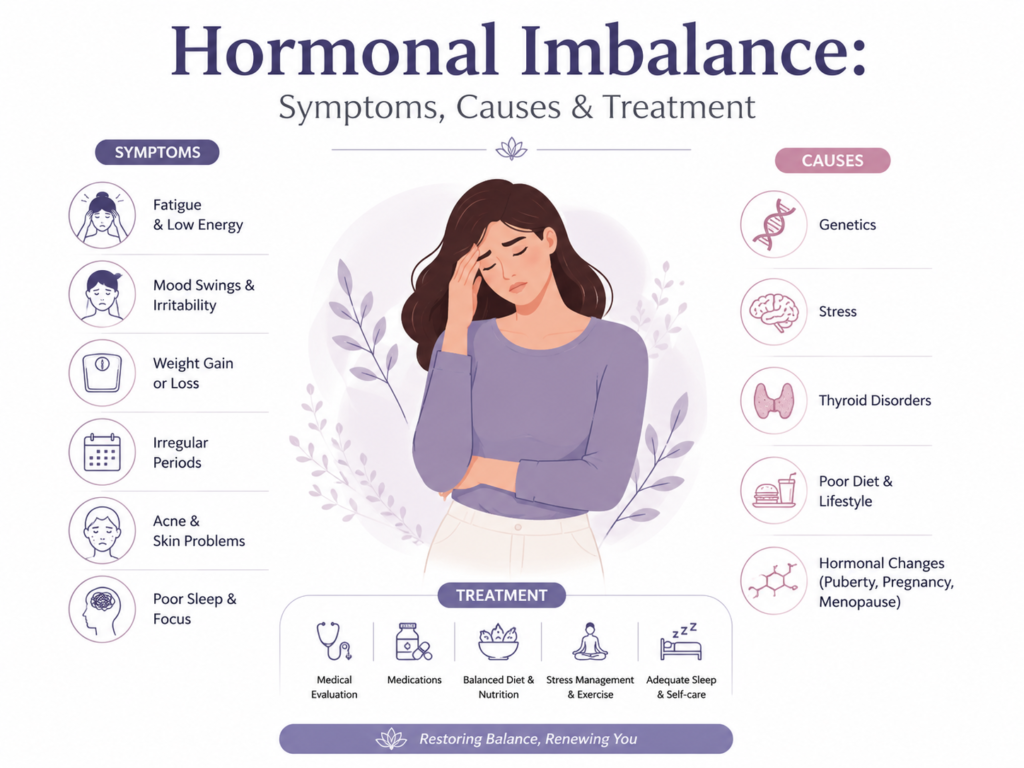

Hormonal Imbalance: Symptoms, Causes & Treatment
Do you feel like something isn’t quite right with your body or emotions lately? One day you’re exhausted despite a full night’s sleep; the next, your mood swings like a pendulum, or your skin breaks out unexpectedly. If this sounds familiar, you aren’t alone. These are the signs that indicate your internal chemical messengers are out of sync.
When hormones fall out of sync, even small shifts can impact mood, energy levels, sleep, and reproductive health. Understanding what is hormonal imbalance and recognising the signs of hormonal imbalance early can help prevent long-term health issues.
What is hormonal imbalance?
Hormonal imbalance meaning refers to a condition where your body produces too much or too little of certain hormones. These chemical messengers control vital functions such as metabolism, reproductive health, mood, and sleep.
In women, imbalances often affect oestrogen, progesterone, thyroid, insulin, and cortisol levels. Hormonal imbalance in women can manifest in diverse ways, impacting daily life, fertility, and overall wellness.
What are the common hormonal imbalance symptoms?
Understanding hormonal imbalance symptoms is essential for early intervention. The symptoms may vary depending on the hormones affected.
However, some of the most common signs of hormonal imbalance include:
- Irregular, heavy, or absent menstrual periods
- You may experience unexplained weight gain or difficulty losing weight
- Persistent fatigue that doesn’t improve with rest
- Sleep disturbances or insomnia
- Mood changes, including anxiety, irritability, or depression
- Hair loss or excessive hair growth in unwanted areas (hirsutism)
- Acne, particularly along the jawline and chin
- Vaginal dryness
- Brain fog and difficulty concentrating
- Digestive issues such as bloating or constipation
These symptoms of hormonal imbalance can be subtle initially, making it easy to overlook. Consulting a hormonal imbalance specialist ensures proper diagnosis and personalised care.
What are the causes of hormonal imbalance in women?
Understanding hormonal imbalance causes can help in prevention and management.
Some common reasons for hormonal imbalance include:
Cause | How it affects your hormones |
Stress | Chronic stress affects cortisol and thyroid levels. |
Poor diet | Inadequate intake of essential nutrients affects hormone production |
Menopause or perimenopause: | Natural life transitions causing declining oestrogen and progesterone |
Pregnancy and postpartum period: | Dramatic hormonal shifts during and after pregnancy |
Medical conditions | Polycystic ovary syndrome (PCOS), thyroid disorders, and diabetes can cause imbalances. |
Lifestyle factors | Sleep deprivation, sedentary lifestyle, and environmental toxins disrupts hormones. |
Medication side effects: | Some hormonal medications or treatments can disrupt natural hormone cycles. |
By identifying the cause of hormonal imbalance, Dr Aparna Gumma can design a personalised plan to restore balance safely and effectively.
How is hormonal imbalance diagnosed?
If you suspect hormonal imbalance, the first step is consulting a specialist Dr Aparna Gumma, who understands the complexities of women’s hormonal health. The diagnosis begins with a thorough assessment of hormonal imbalance symptoms in females and medical history.
A comprehensive hormonal imbalance tests include:
- Blood tests to measure hormone levels
- Imaging tests if necessary
- Lifestyle evaluation, including diet, sleep, and stress factors
- Review of menstrual history and reproductive health
A proper hormonal imbalance test ensures accurate results, helping Dr Aparna Gumma prescribe the most effective hormonal imbalance medicine or other treatment options.
How often does postpartum depression occur?
Many women feel alone, yet how common is postpartum depression is often underestimated. Research shows it affects about 1 in 7 women. Routine postpartum depression screening plays a critical role in early identification and treatment.
Diagnosis of postpartum depression
Regular postpartum depression screening is an essential part of prenatal and postnatal care. A postpartum depression test typically involves validated questionnaires that assess mood and emotional well-being. Dr Aparna Gumma emphasizes early screening to ensure prompt intervention and better long-term outcomes.
Treatment options for postpartum depression
Effective postpartum depression treatment requires a personalized approach. Treatment for postpartum depression may include:
Medication for postpartum depression
For moderate to severe cases, postpartum depression medication may be recommended. Certain antidepressants for postpartum depression are considered safe and effective when carefully prescribed and monitored.
Therapy for postpartum depression
Postpartum depression therapy is a key component of recovery. Evidence-based postpartum depression therapies, including cognitive behavioral therapy, help women develop coping strategies. Postpartum depression counseling provides a supportive space for emotional healing.
Working with a qualified postpartum depression therapist or finding a postpartum depression therapist near me can greatly improve recovery outcomes.
Managing postpartum depression through self-care and support
In addition to clinical care, postpartum depression self-care is essential. Adequate rest, balanced nutrition, gentle exercise, and emotional support all contribute to healing.
Joining postpartum depression support groups allows women to share experiences and feel understood. Learning how to deal with postpartum depression often involves combining medical care with emotional and social support.
How to prevent postpartum depression
While postpartum depression cannot always be prevented, understanding how to prevent postpartum depression may reduce risk. Early screening, reliable support systems, realistic expectations, and addressing mental health concerns during pregnancy all contribute significantly.
Start your journey to postpartum wellness
Postpartum depression is not a personal shortcoming; it is a medical condition that deserves compassionate, professional care. With proper treatment for postpartum depression, including therapy, medication when needed, and ongoing support, recovery is achievable.
Dr Aparna Gumma is dedicated to supporting women through postpartum mental health challenges with evidence-based care, empathy, and individualized treatment plans. Seeking help early allows mothers to regain emotional balance and confidently embrace motherhood.
FAQs -
What is egg freezing and how does it work?
Egg freezing, or egg cryopreservation, involves collecting, freezing, and storing eggs to use later for conception. The eggs are thawed and fertilized when you decide to get pregnant.
What is fertility preservation?
Fertility preservation refers to medical techniques like egg or embryo freezing to protect reproductive potential before age or treatment-related fertility decline.
What is the best age to freeze your eggs?
The best egg freezing age is between 30 and 35 years, though freezing earlier can improve success rates.
How successful is egg freezing?
The egg-freezing success rate is around 60–70% for women who freeze eggs before 35, depending on egg quality and the number retrieved.
Is egg freezing painful?
No, egg freezing isn’t painful. The retrieval is done under sedation, and minor side effects like bloating are temporary.
How much does egg freezing cost?
In Dubai, egg freezing costs depend on individual factors. Consult Dr Aparna for a personalized cost estimate.
How long can eggs stay frozen?
Eggs can remain frozen for 10–15 years or longer with proper storage.
Can I freeze my eggs if I have HPV?
Yes, most women with HPV can freeze their eggs. Your doctor will evaluate your individual health before proceeding.
Can I preserve fertility before surgery or treatment?
Absolutely. Fertility preservation is highly recommended before undergoing chemotherapy, radiation, or pelvic surgery to protect your future fertility.
What is the difference between egg freezing and embryo preservation?
While egg freezing stores unfertilized eggs, embryo preservation involves fertilizing the egg with sperm before freezing. Both are effective forms of fertility preservation, but your choice depends on your personal circumstances and future reproductive plans.
About Dr Aparna
Dr Aparna Devi Gumma, female gynaecologist in Dubai, is one of the most trusted partners in women’s health with over 28 years of expertise as an Ob-Gyn and Advanced Gynecologic Laparoscopic Surgeon.
Related Blogs

PCOS Weight Gain: Causes, Symptoms & How to Stop It
PCOS Weight Gain: Causes, Symptoms & How to Stop It Weight changes can be frustrating, especially when they seem to happen without an apparent reason. Many women living with PCOS notice that their weight increases easily and is harder to reduce, even with careful eating and regular exercise. PCOS weight

Hormonal Imbalance: Symptoms, Causes & Treatment
Hormonal Imbalance: Symptoms, Causes & Treatment Do you feel like something isn’t quite right with your body or emotions lately? One day you’re exhausted despite a full night’s sleep; the next, your mood swings like a pendulum, or your skin breaks out unexpectedly. If this sounds familiar, you aren’t alone.

How to Deal With Postpartum Depression: Symptoms, Causes & Treatment
How to Deal With Postpartum Depression: Symptoms, Causes & Treatment Postpartum depression is a widespread and serious mental health condition that may affect women following childbirth. While welcoming a baby is often associated with joy, it can also bring emotional, physical, and hormonal changes that feel overwhelming. Understanding what postpartum

4 Phases of the Menstrual Cycle and How They Affect Your Moods
4 Phases of the Menstrual Cycle and How They Affect Your Moods The menstrual cycle affects far more than reproduction, yet it’s often dismissed as “just a period.” Many women learn it happens once a month and may be uncomfortable, without understanding how deeply it influences energy, focus, mood, motivation,