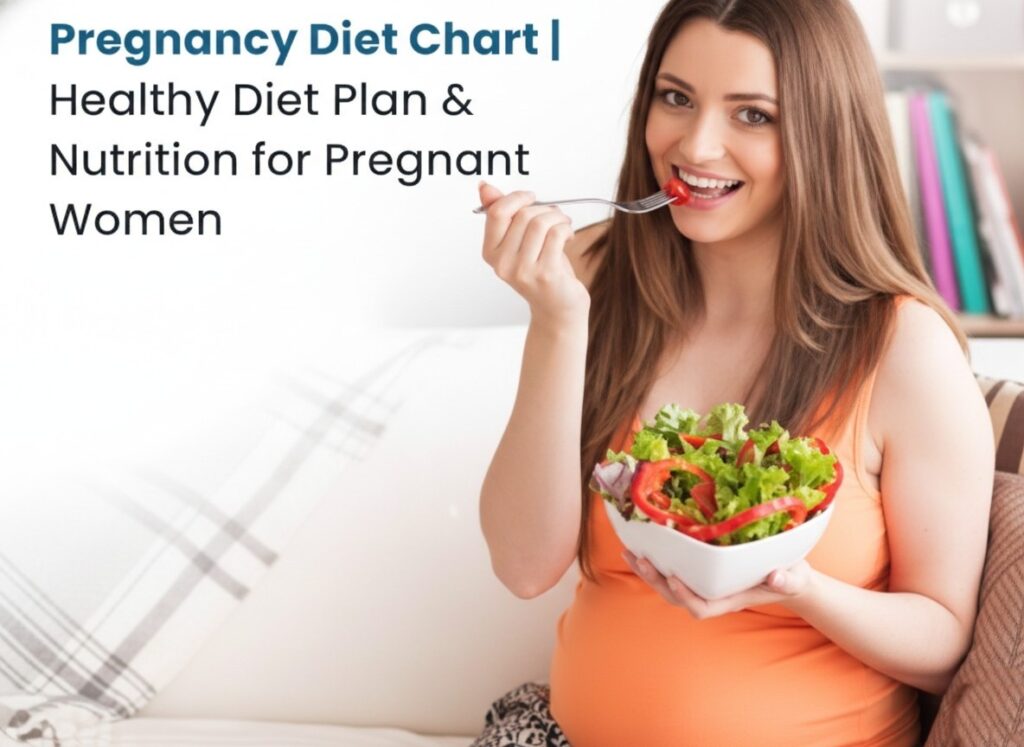
Healthy pregnancy meal plan: Essential nutrition guide

pregnancy meal plan, healthy pregnancy meal plan, pregnancy nutrition meal plan, meal plan for pregnancy, pregnancy meal plan first trimester, pregnancy daily meal plan, best pregnancy meal plan, pregnancy vegetarian meal plan, sample pregnancy meal plan

Nutrition plays a vital role in a safe and healthy pregnancy. A well-structured, healthy pregnancy meal plan helps ensure your baby’s development while keeping you energised throughout your pregnancy.

Knowing which foods to eat during pregnancy supports better pregnancy outcomes and overall well-being.

This blog features a practical pregnancy meal plan and grocery list, helping mothers make informed dietary decisions throughout their pregnancy.

Why is a pregnancy meal plan important?

A structured pregnancy meal plan helps ensure that both mother and baby receive the right balance of nutrients needed for a safe and healthy pregnancy.

As your body needs more nutrients, a healthy meal plan helps keep your energy up, supports healthy weight gain, and helps your baby grow well. It also helps prevent missing important nutrients, keeps your blood sugar steady, and can make pregnancy symptoms like tiredness and stomach problems less bothersome.

A personalised pregnancy meal plan encourages balanced eating habits and helps you make confident, informed food choices throughout pregnancy.

Dr Aparna Gumma, one of the best female gynaecologist in Dubai, offers highly precise and professional guidance to ensure all your health needs are met during a water birth.

Essential nutrients your body needs during pregnancy

Pregnancy increases the demand for several key nutrients. While no single food provides everything, including a variety of nutrient-rich foods can help cover your daily needs.

Folic acid

Supports healthy fetal development and reduces the risk of neural tube defects

Iron

Manages blood volume during pregnancy.

Calcium & Vitamin D

Essential for fetal bone and teeth development, and maternal bone health.

Protein

Supports fetal tissue growth and helps maintain maternal muscle mass.

Omega-3 fatty acids (DHA)

Promotes brain and eye development in the baby.

Fiber

Aids digestion and helps prevent constipation.

Vitamin C

Enhances iron absorption and boosts immunity.

Iodine

Supports thyroid function and brain development of your baby.

Magnesium

Helps with muscle function, bone health, and reduces cramps.


Including these nutrients through a balanced pregnancy nutrition meal plan ensures that both you and your baby receive the necessary nourishment for a safe and healthy pregnancy.

Essential foods to eat during pregnancy

  • Fruits and vegetables: Provide fiber, vitamins, and antioxidants to support immunity and digestion.
  • Whole grains: Foods like oats, brown rice, and whole wheat provide steady energy and B vitamins.
  • Dairy products: Milk, yogurt, and cheese offer calcium and protein to support bone strength.
  • Lean proteins: Eggs, poultry, low-mercury fish, and legumes support tissue growth and maternal health.
  • Healthy fats: Nuts, seeds, avocados, and olive oil help support brain development and hormone balance.
  • Legumes and beans: Packed with protein, fiber, and iron, ideal for preventing anemia.

Including these foods during pregnancy as part of your meal plan during pregnancy helps ensure balanced nutrition, supports fetal development, and reduces common pregnancy complications.

What to avoid during pregnancy diet?

  • High-mercury fish: Shark, swordfish, king mackerel, and tilefish can affect fetal brain development.
  • Raw or undercooked foods: Raw eggs, sushi, and undercooked meat may carry harmful bacteria.
  • Unpasteurised dairy: May contain Listeria, which is unsafe during pregnancy.
  • Excess caffeine: High caffeine intake may increase the risk of low birth weight.
  • Processed and sugary foods: Excess sugar and processed items contribute to unhealthy weight gain and gestational diabetes.
  • Alcohol: No amount of alcohol is considered safe during pregnancy.

Being mindful of these items and including nutrient-rich foods to eat during pregnancy as part of your daily pregnancy meal plan helps reduce risks and supports overall maternal and fetal health.

Creating a healthy meal plan for pregnancy by trimester

Pregnancy meal plan first trimester

  • Focus on folic acid-rich foods, like leafy greens, beans, and fortified cereals.
  • Include iron-rich foods, such as lentils and lean meats, to help manage fatigue.
  • Eat small, frequent meals to reduce nausea and morning sickness.
  • Stay hydrated with water and natural fruit juices.

Pregnancy meal plan second trimester

  • Include whole grains, fruits, and vegetables for sustained energy.
  • Eat more protein and calcium to help your baby grow and keep bones strong.
  • Add healthy fats like omega-3s from safe fish or plant foods like walnuts.
  • Continue a balanced daily meal plan for consistent nutrition.

Pregnancy meal plan third trimester

  • Focus on iron, protein, and fiber to maintain energy and prevent constipation.
  • Choose hydrating and easily digestible foods to help reduce heartburn.
  • Eat smaller meals more frequently and limit your intake of processed foods.
  • Prepare for labor with nutrient-dense snacks and meals that provide lasting energy.

Pregnancy daily meal plan structure

A well-planned pregnancy daily meal plan helps ensure you get all the essential nutrients you need while managing energy and digestion.

Day 1 Sample pregnancy meal plan

Breakfast: Oats with milk, banana, and chia seeds

Mid-Morning Snack: Apple and a handful of almonds


Lunch: Grilled chicken or lentils, brown rice, and steamed vegetables


Afternoon Snack: Yogurt with berries


Dinner: Baked fish or tofu, quinoa, and sautéed vegetables


Evening Snack (Optional): Warm milk or a small fruit


Day 2 Sample pregnancy meal plan

Breakfast: Whole wheat toast with avocado and poached eggs

Mid-Morning Snack: Handful of mixed nuts and raisins

Lunch: Grilled fish or chickpea salad, quinoa, and steamed spinach


Afternoon Snack: Smoothie with banana, milk, and flaxseeds


Dinner: Chicken or paneer stir-fry with vegetables, whole grain chapati

Evening Snack (Optional): Yogurt with sliced strawberries


Special dietary considerations

Every pregnancy is unique, and some women may need to adjust their meal plan according to their health, weight, or food preferences. Here are some tips to help you get safe and balanced nutrition:

  • Pregnancy vegetarian meal plan: Focus on plant-based protein sources such as lentils, beans, tofu, dairy, nuts, and seeds to meet your protein and iron needs.
  • Low-carb pregnancy meal plan: Prioritise eating complex carbohydrates, vegetables, and protein while avoiding refined sugars and processed foods.
  • Pregnancy meal plan for overweight women: Prioritise portion control, high-fiber foods, and lean protein sources.
  • Pregnancy meal plan for gestational diabetes: Include balanced meals with controlled carbohydrate portions, regular meal timing, and low-glycaemic foods to maintain stable blood sugar levels.
  • Food allergies or intolerances: Adjust the pregnancy meal plan to exclude trigger foods while maintaining nutrient adequacy through safe alternatives.

Talking to a gynaecologist or nutrition expert can help you create a healthy pregnancy meal plan that fits your needs and supports the best health for you and your baby.

Expert pregnancy nutrition care in Dubai by Dr Aparna Gumma

Eating a balanced diet is important for a safe and healthy pregnancy. Following a meal plan with helpful recipes makes sure you and your baby get the nutrients you need at every stage.

Dr Aparna Gumma is a highly experienced gynaecologist and obstetrician with 28+ years of expertise in antenatal care. She combines evidence-based medical knowledge with personalised nutrition guidance to support expectant mothers throughout their pregnancy journey. Her compassionate approach ensures care plans that align with individual health needs and lifestyles.

Book an appointment today.

FAQs -

The best pregnancy meal plan provides balanced nutrition, supports healthy weight gain, and adapts to individual health needs and trimester changes.

Balanced pregnancy nutrition involves consuming appropriate amounts of protein, carbohydrates, healthy fats, vitamins, and minerals to support both maternal and fetal health.

Early pregnancy meal plans emphasise on intake of folic acid, iron, and protein, along with small, frequent meals to help manage nausea.

Key nutrients needed in pregnancy include folic acid, iron, calcium, vitamin D, protein, omega-3 fatty acids, iodine, and fiber.

Leafy greens, eggs, yogurt, nuts, seeds, berries, legumes, and low-mercury fish are commonly recommended as healthy options.

Yes, adjusting a pregnancy meal plan week by week can help meet changing nutritional demands as your baby grows.

Prenatal vitamins and diet work together. While prenatal vitamins help fill nutritional gaps, a balanced diet remains essential for obtaining sufficient fiber, energy, and antioxidants.

A pregnancy diet consultation Dubai is advised for gestational diabetes, weight concerns, nutritional deficiencies, or personalised antenatal nutrition planning.

About Dr Aparna

Dr Aparna Devi Gumma, female gynaecologist in Dubai, is one of the most trusted partners in women’s health with over 28 years of expertise as an Ob-Gyn and Advanced Gynecologic Laparoscopic Surgeon.

Related Blogs

pregnancy meal plan, healthy pregnancy meal plan, pregnancy nutrition meal plan, meal plan for pregnancy, pregnancy meal plan first trimester, pregnancy daily meal plan, best pregnancy meal plan, pregnancy vegetarian meal plan, sample pregnancy meal plan

Healthy pregnancy meal plan: Essential nutrition guide

Healthy pregnancy meal plan: Essential nutrition guide Nutrition plays a vital role in a safe and healthy pregnancy. A well-structured, healthy pregnancy meal plan helps ensure your baby’s development while keeping you energised throughout your pregnancy. Knowing which foods to eat during pregnancy supports better pregnancy outcomes and overall well-being.

Read More »
Types of vaginal discharge, different types of vaginal discharge, types of vaginal discharge and what they mean

Types of vaginal discharge: What do they mean?

Types of vaginal discharge: What do they mean? Vaginal discharge is a normal, healthy, and essential part of the female reproductive system. It’s the body’s natural way of cleaning and lubricating the vagina, protecting against infection. However, changes in its colour, consistency, or smell can often be the first sign

Read More »
the menopause diet 5 day plan to lose weight, the menopause diet 5 day plan to lose weight

The Menopause Diet: 5-Day Plan to Lose Weight

The Menopause Diet: 5-Day Plan to Lose Weight For many women, the midlife years bring a frustrating mix of hot flashes, mood swings, and gradual weight gain around the middle. The 5 day menopause meal plan to lose weight is not a “quick fix” diet, but a structured way to

Read More »

Book An Appointment