4 Phases of the Menstrual Cycle and How They Affect Your Moods
The menstrual cycle affects far more than reproduction, yet it’s often dismissed as “just a period.” Many women learn it happens once a month and may be uncomfortable, without understanding how deeply it influences energy, focus, mood, motivation, and daily performance.
When you understand the 4 phases of the menstrual cycle, these shifts make sense. Changes in energy, focus, and the need for rest aren’t random; they’re part of the body’s natural monthly rhythm.
As Dr. Aparna Gumma, a specialist in obstetrics and gynaecology, explains, women who understand their cycle can better support their health, manage their workload, and care for their emotional well-being. Cycle awareness is a practical and empowering life skill.
What are the 4 phases of the menstrual cycle?
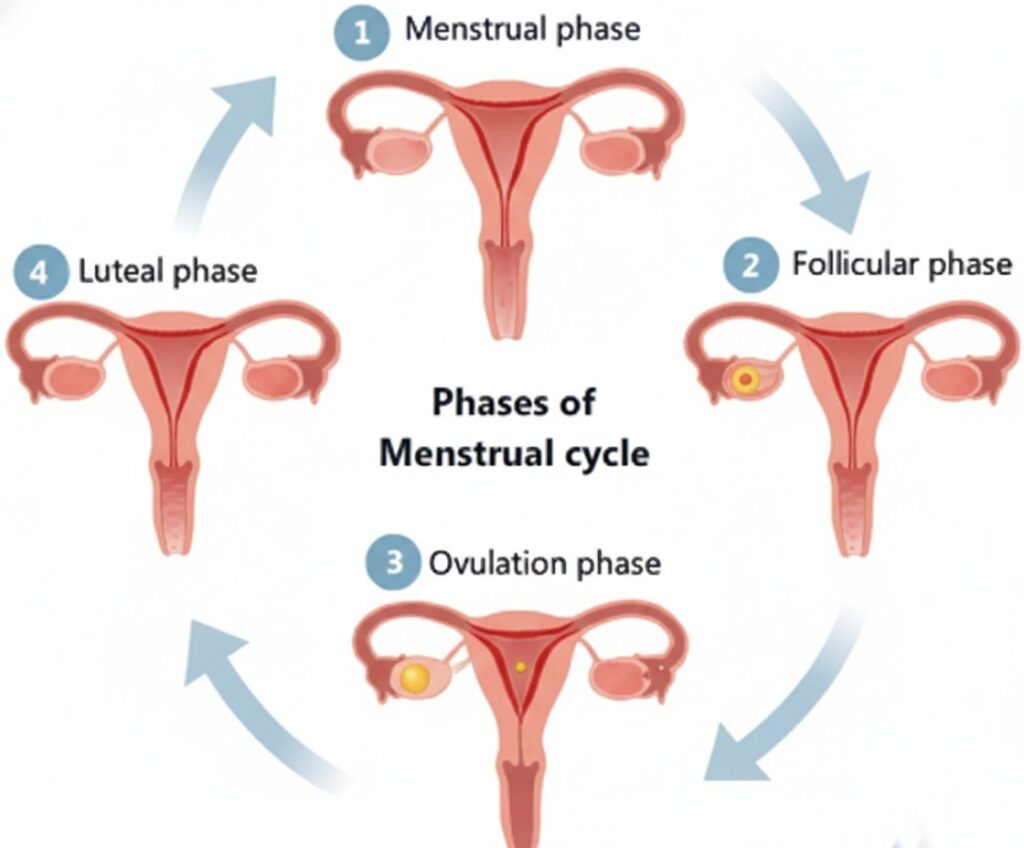
So, if you’ve ever wondered, what are the 4 phases of the menstrual cycle? They are:
- Menstrual Phase
- Follicular Phase
- Ovulatory Phase
- Luteal Phase
Together, these are also referred to as the 4 hormonal phases of the menstrual cycle.
Breaking Down the 4 Phases of the Menstrual Cycle
The menstrual cycle is a precise, well-coordinated process that affects nearly every system in the body. Understanding the 4 phases of the menstrual cycle allows you to work with these hormonal changes instead of pushing against them. Below, we explain the 4 phases of the menstrual cycle in a clear, real-world way.
Phase 1: Menstrual Phase — Low Energy, Intentional Rest
The menstrual phase marks the first stage of the cycle and represents a natural pause in the body’s rhythm. During this time, estrogen and progesterone are at their lowest. That hormonal dip explains why motivation often drops and why many women feel more inward, tired, or emotionally flat.
Physically, the uterus is shedding its lining. This process can bring cramping, an achy or heavy feeling in the pelvic area, bloating, and mood changes. The strongest signal your body sends during this phase is simple: slow down.
This is not the time to push through fatigue or expect peak productivity. Gentle movement, like an easy walk or light stretching, can help relieve discomfort, but intense workouts often backfire. Sleep becomes especially important, as does giving yourself permission to rest without guilt.
One of the most valuable habits you can build during this phase is self-awareness. Noticing how your energy, mood, and focus change here makes future cycles far easier to plan around.
Phase 2: Follicular Phase — Renewal and Forward Momentum
Once your period ends, the body begins rebuilding. Estrogen starts to rise, and with it often comes a noticeable shift in energy and outlook. Many women describe this phase as feeling mentally clearer, more motivated, and ready to engage with the world again.
Behind the scenes, estrogen supports the regrowth of the uterine lining while ovarian follicles begin to mature. One of these follicles will eventually prepare for ovulation.
This stage is perfect for launching new projects, making plans, and focusing on tasks that need careful thought or strategy. Physical energy often rises, making moderate to intense workouts feel easier.
Problem-solving and creativity come more naturally during this time, so work tends to feel productive without much effort.
Phase 3: Ovulatory Phase — Peak Energy and Connection
The ovulatory phase may be brief, but it’s powerful, marked by peak estrogen levels and a luteinizing hormone (LH) surge that prompts the release of a mature egg. Fertility is at its highest, though the effects of this phase go beyond reproduction.
Many women experience a boost in confidence, sociability, and ease in communicating. Physical signs can include clear, stretchy cervical mucus, mild pelvic twinges, slight bloating, and an increase in libido.
This period is great for collaboration, presentations, meetings, and social engagements. For those monitoring fertility, it’s an important window to pay attention to ovulation signs. Staying well-hydrated can help minimize bloating and support overall comfort.
All in all, this phase often feels smooth and effortless, with energy levels rising and confidence naturally heightened.
Phase 4: Luteal Phase — Focused Effort, Then Gradual Slowdown
After ovulation, the body shifts into preparation mode. Progesterone becomes the dominant hormone, supporting the uterine lining in the event of pregnancy. This hormonal change can bring a gradual decrease in energy, especially in the later part of the phase.
Some women feel focused and steady at first, while others notice PMS symptoms like bloating, fatigue, mood changes, or breast tenderness as progesterone levels peak and then fall.
Supporting yourself during the luteal phase often comes down to consistency. Regular sleep, balanced meals, and gentler forms of exercise help stabilize energy and mood. Stress-management practices, such as journaling, mindfulness, or quiet time, can make a noticeable difference.
As the phase progresses, it’s wise to ease up on high-pressure commitments when possible and give yourself more space to rest and reset.
Why Understanding the 4 Phases of the Menstrual Cycle Matters
Hormones may be invisible, but their influence is unmistakable. As estrogen and progesterone rise and fall, they affect how focused, social, resilient, or emotionally sensitive you feel.
Tracking your cycle, whether through an app or a simple notebook, can help you:
- anticipate emotional shifts
- plan demanding work during high-energy phases
- manage stress more effectively
- support your body when rest is needed
In this way, understanding what the 4 phases of the menstrual cycle are becomes a practical roadmap for overall well-being.
Why choose Dr. Aparna Gumma
It’s all about self-awareness. When you recognize your body’s monthly rhythm, you gain the ability to support yourself physically, emotionally, and professionally.
As experts like Dr. Aparna Gumma continue to highlight, cycle literacy empowers women to live and work in alignment with their biology. And often, that alignment is what makes everything feel a little more balanced.
Frequently Asked Questions -
What are the 4 phases of a menstrual cycle?
They are the Menstrual, Follicular, Ovulatory, and Luteal phases.
How long does each phase last?
- Menstrual: 3–7 days
- Follicular: 7–10 days
- Ovulatory: 1–2 days
- Luteal: 10–14 days
These timelines vary from person to person.
How do the four hormonal phases of the menstrual cycle affect productivity?
Each phase influences energy, focus, and emotional resilience differently. Understanding these patterns allows you to plan work more effectively and avoid burnout.
Can mood swings during the luteal phase be reduced?
Yes. Consistent sleep, steady nutrition, moderate exercise, and stress-management strategies can significantly reduce symptoms.
Why is it important to understand the menstrual cycle?
Knowing what the 4 phases of the menstrual cycle are helps you make proactive decisions about your health, emotions, and workload instead of reacting to symptoms as they appear.
About Dr Aparna
Dr Aparna Devi Gumma, female gynaecologist in Dubai, is one of the most trusted partners in women’s health with over 28 years of expertise as an Ob-Gyn and Advanced Gynecologic Laparoscopic Surgeon.
Related Blogs

4 Phases of the Menstrual Cycle and How They Affect Your Moods
4 Phases of the Menstrual Cycle and How They Affect Your Moods The menstrual cycle affects far more than reproduction, yet it’s often dismissed as “just a period.” Many women learn it happens once a month and may be uncomfortable, without understanding how deeply it influences energy, focus, mood, motivation,

Healthy pregnancy meal plan: Essential nutrition guide
Healthy pregnancy meal plan: Essential nutrition guide Nutrition plays a vital role in a safe and healthy pregnancy. A well-structured, healthy pregnancy meal plan helps ensure your baby’s development while keeping you energised throughout your pregnancy. Knowing which foods to eat during pregnancy supports better pregnancy outcomes and overall well-being.

Types of vaginal discharge: What do they mean?
Types of vaginal discharge: What do they mean? Vaginal discharge is a normal, healthy, and essential part of the female reproductive system. It’s the body’s natural way of cleaning and lubricating the vagina, protecting against infection. However, changes in its colour, consistency, or smell can often be the first sign

The Menopause Diet: 5-Day Plan to Lose Weight
The Menopause Diet: 5-Day Plan to Lose Weight For many women, the midlife years bring a frustrating mix of hot flashes, mood swings, and gradual weight gain around the middle. The 5 day menopause meal plan to lose weight is not a “quick fix” diet, but a structured way to